
Summary
When an aging parent living alone is struggling, the signs often build quietly—missed medications, unopened mail, neglected hygiene. Recognizing these moments and exploring practical support options can help keep your mother safe while respecting her independence and preferences.
- Watch for safety red flags like unexplained falls, repeated clothing choices, unopened bills, or memory lapses that affect daily tasks.
- In-home companions and health services work well for daytime support but leave gaps during evenings, nights, and weekends.
- Assisted living provides 24/7 support with personalized help, chef-prepared meals, housekeeping, and scheduled outings in a private apartment setting.
- Specialized memory care neighborhoods offer trained support and familiar routines for those living with dementia or Alzheimer's disease.
- Frame conversations around what she gains—handled meals, neighbors, reduced worry—rather than what she loses when discussing a move.
The missed pills on the counter. The stack of unopened mail. The leftovers in the refrigerator that should have gone out a week ago. When an aging parent living alone is struggling, the signs rarely arrive all at once. They build quietly, until a weekly phone call leaves you more worried than reassured. The Palms at La Quinta hears from families across La Quinta, CA, and nearby Palm Desert who are at exactly this point, and noticing is often the hardest part. What comes next is a series of practical choices, and your mother’s preferences should shape every one of them.
Recognizing When Safety Concerns for an Aging Parent Living Alone Become Serious
Safety concerns tend to show up one small thing at a time. Each seems minor on its own; together they tell a different story. Signs that often point to a need for more support include:
- Unexplained bruises from minor falls, or scorch marks on cookware from a forgotten burner
- The same outfit worn several days in a row
- Unopened bills, spoiled food, or personal hygiene slipping
- Unusual bank withdrawals or duplicate purchases
Physical changes raise the stakes. Reduced mobility, vision problems, or memory lapses can turn an ordinary morning into a hazard. If a mother living alone is not safe handling basics like bathing, cooking, or taking her medications correctly, it is time to bring in help.
When Can a Parent No Longer Live Alone? Start With In-Home Support
Many families start here. In-home support brings help to your mother’s front door, which can feel far less disruptive than a move. Companions handle light housekeeping, meal preparation, medication reminders, and rides to appointments. The arrangement works well when your parent lives alone but needs help with a few specific tasks and wants to stay in familiar surroundings, especially during daytime hours.
Home health services go a step further, with skilled nursing, physical therapy, or occupational therapy for medical needs. Medicare may cover these visits when a physician considers them medically necessary, which can make recovery after a hospital stay more affordable.
The limitation is the clock. In-home support covers set hours, and once round-the-clock supervision becomes necessary, the cost can climb past what a community charges. This guide to practical ways to pay for senior living can help you compare the numbers. Between visits, your mother is still alone, including evenings, overnight, and weekends, the hours that worry families most.
Alternatives to a Parent Living Alone: Communities With Daily Support
Assisted living fills the space between living on your own and full-time nursing care. Residents keep a private apartment home and receive personalized help with bathing, dressing, and medication management, with associates on hand around the clock.
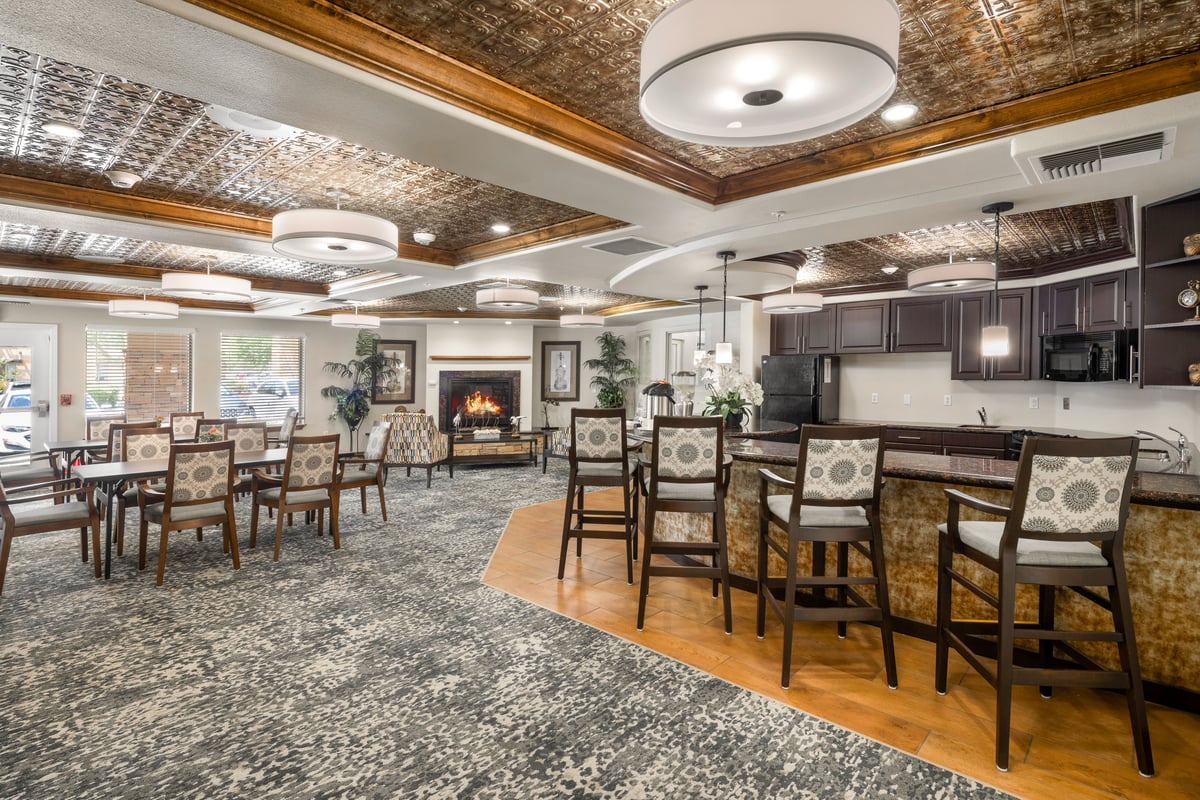
At The Palms at La Quinta, Assisted Living looks like this:
- Chef-prepared meals served daily through Elevate® Dining, so grocery runs and cooking come off her list
- Weekly housekeeping and laundry, taking the physically demanding chores off her plate
- Scheduled transportation to medical appointments, shopping, and local outings
- Vibrant Life® outings, fitness classes, and community events for connection and purpose
- Zero-entry showers in the apartment homes, which remove one of the most common fall risks at home
With the hard parts of the day handled, many residents find they have more say over their time, not less.
Memory Care for Specialized Dementia Support
When forgetfulness becomes something more, a secure neighborhood with trained support matters. Memory care provides a calm, consistent environment for individuals living with Alzheimer’s disease or other forms of dementia, with associates who use gentle redirection and steady routines to help each day feel familiar.
The Memory Care program at The Palms starts from a simple idea: residents are recognized for who they were and still are, not defined by a diagnosis. Daily routines are built around each person’s current abilities, and families gain the reassurance of supervision in a setting where their mother is known by name.
Having the Conversation About Moving
Talking about a move takes patience, and it goes better before a crisis forces a rushed decision. A few approaches tend to help:
- Describe what you have observed instead of making sweeping statements
- Frame the change around what she gains, like meals handled and neighbors nearby, rather than what she gives up
- Ask what worries her most, then listen without rushing to solve it
- Visit communities together so she has a real say in the choice
Instead of “You can’t live alone anymore,” try “I’ve noticed the housework has gotten harder. What if we looked at a place where that’s handled for you?” Families are welcome to visit The Palms, share a meal in the dining room, and ask questions without pressure. Seeing the courtyards and meeting a few residents often eases worries more than any brochure.
Frequently Asked Questions
How do I know whether in-home help or a community is the better fit?
If the support she needs is limited to a few daytime hours, in-home help may be enough. Once needs extend into evenings and overnight, a community usually offers more consistent coverage.
What if my mother refuses to consider moving?
Resistance is common and usually about control. Keep the conversation open, involve her in every decision, and offer a no-pressure visit rather than an ultimatum.
Can my mother move from assisted living to memory care later if needed?
Yes. The Palms at La Quinta offers both Assisted Living and Memory Care, so support can change without a move to a new community.
Taking the Next Step Toward Peace of Mind
Recognizing that your mother needs more than living alone can give her is not easy, but it comes from love. Whether that means in-home help or a community, the goal is the same: the right support, delivered with dignity. Schedule a personalized tour of The Palms at La Quinta in La Quinta, CA, to see how Assisted Living and Memory Care could support your mother’s well-being and your family’s peace of mind.