
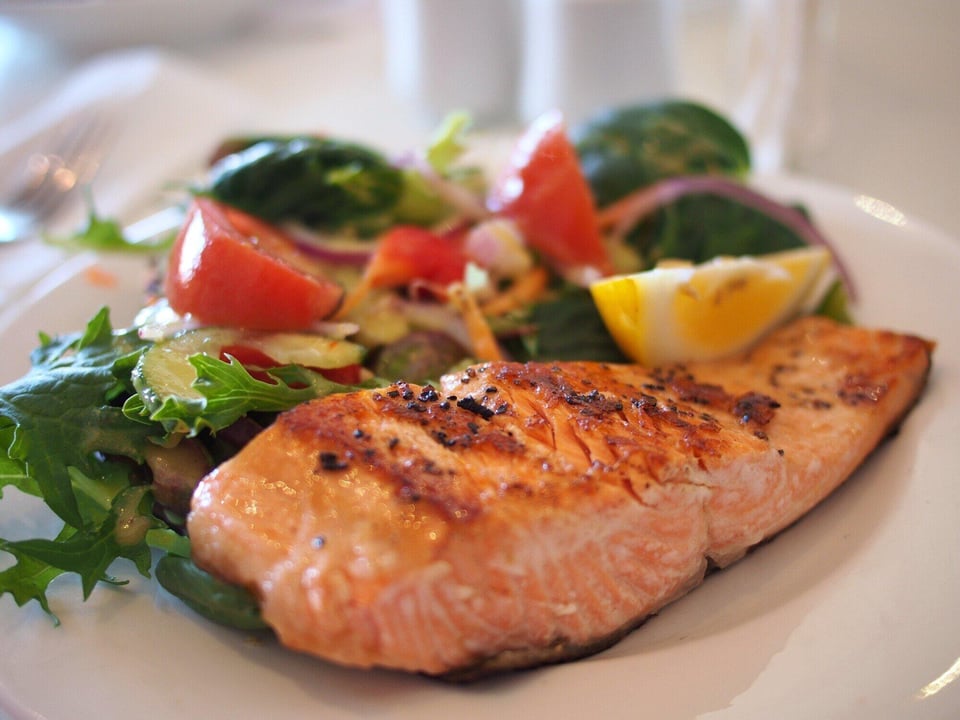
Healthy recipes for heart health do not mean bland plates or giving up the foods people love. With the right ingredients and techniques, meals can support cardiovascular health while still delivering bold flavor, satisfying textures, and comfort at the table. Smart swaps and thoughtful seasoning do the heavy lifting without announcing themselves as "healthy."
That matters because most U.S. adults have hearts older than their actual age, according to Northwestern Medicine.
Picture a weeknight dinner where garlic hits warm olive oil, herbs bloom, and the kitchen smells like something worth slowing down for. This is where heart health quietly improves, not through restriction, but through meals that feel generous, familiar, and worth repeating in La Quinta, CA.
What Is the Most Heart-Healthy Meal?
The most heart-healthy meal is one that balances nutrients, flavor, and satisfaction without feeling restrictive. It typically centers on vegetables, includes a lean or plant-based protein, features whole grains for fiber, and uses healthy fats for richness to make the dish taste even better.
This combination supports cholesterol management, steady blood sugar, and long-term cardiovascular function while still delivering a full, enjoyable eating experience, even as a part of Father's Day brunch.
A strong example includes grilled or roasted fish seasoned with herbs and citrus, a generous serving of colorful vegetables prepared with olive oil, and a whole grain such as:
- Quinoa
- Farro
- Brown rice
- Barley
- Bulgur
Flavor comes from garlic, spices, fresh herbs, and natural acidity rather than excess salt or heavy sauces in these heart-smart meals.
Mediterranean-Style Eating
Mediterranean-style eating focuses on simple ingredients prepared with care, allowing natural flavors to take the lead while supporting heart health. Meals are built around:
- Vegetables
- Fruits
- Whole grains
- Legumes
- Nuts
- Seeds
- Olive oil
Fish and seafood appear regularly. This approach creates dishes that feel vibrant and satisfying rather than restrictive, making it easier to maintain over time.
Flavor comes from herbs, garlic, citrus, tomatoes, and slow cooking rather than heavy sauces or excess salt. Olive oil adds richness, while ingredients like olives, capers, and fresh herbs provide depth and contrast.
Low-Sodium Recipes for Sauces
Sauces can elevate a meal or quietly work against heart health when sodium levels climb too high. Low-sodium sauce recipes focus on building flavor through technique rather than salt. Aromatics such as the following create a savory base:
- Garlic
- Onions
- Shallots
- Scallions
Meanwhile, herbs and spices bring complexity and warmth. Slow cooking, roasting ingredients first, or blending fresh components allows natural flavors to intensify without relying on sodium.
Acidity plays a central role in these sauces. Lemon juice, lime, vinegar, and even tomatoes sharpen flavor and add balance that replaces the need for salt.
Yogurt-based sauces offer creaminess when mixed with herbs and citrus, while nut and seed sauces provide body and richness through healthy fats.
Cooking Tips for Older Adults: Choosing The Right Methods
The way food is prepared has a major influence on both heart health and flavor. Cooking methods that rely on dry heat or minimal added fat allow natural tastes to shine while supporting healthier outcomes.
Roasting brings out sweetness in vegetables, grilling adds depth and subtle smokiness, and baking keeps proteins tender without excess oil. These approaches preserve texture and flavor while avoiding the heaviness that can come from frying.
Gentle techniques matter just as much. Sautéing with olive oil over moderate heat helps aromatics release flavor without burning. Steaming followed by a quick finish with herbs, citrus, or olive oil keeps vegetables bright and satisfying.
If you're tired of cooking, an assisted living community can take over the process for you.
Frequently Asked Questions
Is It Okay to Eat Cheese on a Heart-Healthy Diet?
Cheese can fit into a heart-healthy diet when it is enjoyed with intention. Many cheeses provide protein and calcium, which support muscle strength and bone health, yet they also tend to be higher in saturated fat and sodium.
Choosing smaller portions, selecting lighter or naturally lower-fat varieties, and pairing cheese with fiber-rich foods such as:
- Vegetables
- Beans
- Whole grains
- Nuts and seeds
- Legumes
Helps keep meals balanced. Paying attention to how often cheese appears in your meals matters just as much as the type you choose, since moderation keeps the benefits without tipping into excess.
Which Fruit Is Strong for the Heart?
Berries are especially strong for the heart due to their high levels of antioxidants that help support healthy blood pressure and cholesterol levels. Good options include:
- Blueberries
- Strawberries
- Raspberries
- Blackberries
Citrus fruits like oranges, grapefruits, and lemons contribute vitamin C and flavonoids that support blood vessel function. Apples provide soluble fiber that helps manage cholesterol, while pomegranates offer polyphenols linked to improved circulation.
Are Eggs Good or Bad for Heart Health?
Eggs are generally considered heart-friendly when eaten in moderation and prepared thoughtfully. For most people, the cholesterol found in eggs has a limited effect on blood cholesterol compared to saturated fat intake. Eggs supply high-quality protein along with nutrients such as choline, vitamin D, and antioxidants that support overall cardiovascular health.
How eggs are cooked and what they are paired with makes a meaningful difference. Eggs prepared with vegetables and whole grains fit well into a heart-focused eating pattern, while frequent pairing with processed meats or heavy fats can shift the balance in an unhealthy direction.
Enjoyed a few times per week as part of a diet rich in fruits, vegetables, fiber, and healthy fats, eggs can be a satisfying and supportive choice for senior-friendly nutrition.
Try Out Healthy Recipes for Heart Health Today
With these delicious, healthy recipes for heart health, you'll be feeling better without sacrificing taste.
If enjoying heart-healthy meals that still feel indulgent matters to you or someone you love, it may be time to see how that philosophy carries through daily life at The Palms at La Quinta. From fresh, chef-crafted dining through the Elevate® program to a lifestyle designed around care, comfort, and enjoyment, this is senior living where wellness and flavor live side by side.
Schedule a tour to explore the vibrant community waiting in La Quinta.