
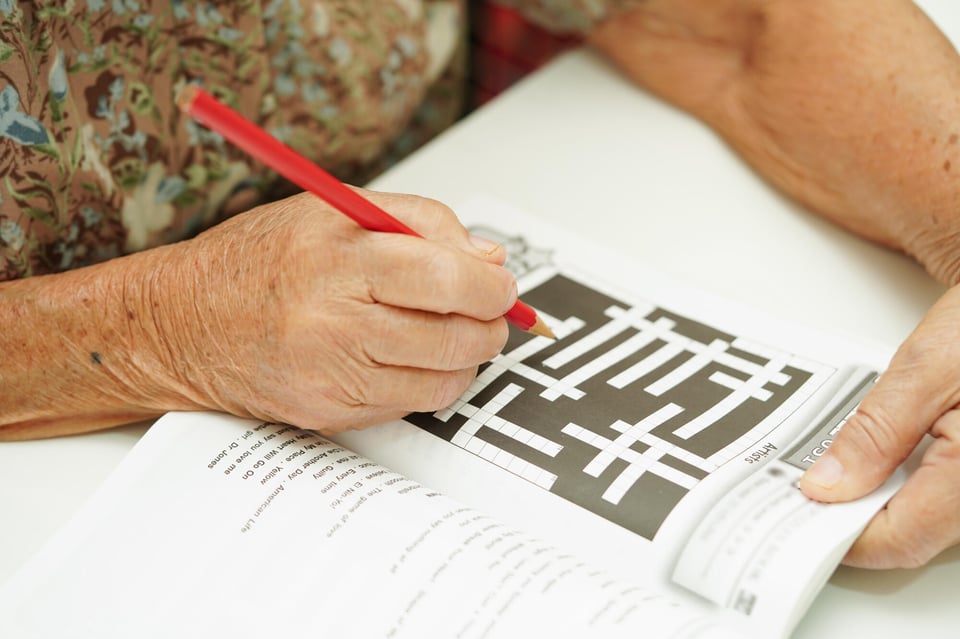
The best brain exercises to prevent dementia in La Quinta, CA, combine mental challenge, daily routine, and meaningful engagement. Activities that stretch thinking, encourage curiosity, and support focus -- such as creative tasks, crossword puzzles, and book discussions -- can help older adults stay mentally active and engaged.
According to the World Health Organization, over 57 million people suffer from dementia.
Aging affects the brain in gradual ways, yet daily habits can influence how the mind adapts over time. Brain health is not only about puzzles or memory games. Lifestyle choices, social connections, and purpose all play important roles in long-term thinking skills.
Mental engagement works best when activities feel enjoyable rather than forced. Small actions done often can support focus, recall, and problem-solving.
How Do Brain Exercises Help Reduce Dementia Risk?
Brain exercises support thinking by encouraging the brain to form new connections. Learning something new or practicing a skill asks the brain to work in unfamiliar ways. Mental challenge encourages flexibility rather than routine thinking.
Cognitive stimulation helps the brain stay active through effort and curiosity. Variety matters more than difficulty. The following can activate different thinking pathways:
- Reading new material
- Learning a hobby
- Exploring unfamiliar topics
Social interaction also strengthens brain function. Conversations require listening, recall, emotional awareness, and response. Group activities such as book discussions or classes combine social connection with learning.
Movement supports mental clarity as well. Gentle physical activity increases blood flow to the brain. Walking while listening to music or discussing ideas adds mental engagement to physical motion.
Dementia prevention strategies often focus on long-term habits rather than quick fixes. Regular mental effort may support attention and adaptability. Consistent engagement helps the brain practice responding to new information instead of relying on repetition.
What Daily Habits Support Brain Health in Older Adults?
Daily routines offer simple ways to support senior brain wellness. Morning reading creates a calm mental start. Writing thoughts or reflections encourages organization and recall.
Lifelong learning for seniors supports a sense of progress and purpose. Learning something small each day can build confidence and curiosity. The following offers structure without pressure:
- Short lessons
- Videos
- Guided learning apps
Creative expression also supports thinking skills. Painting, crafting, or music require planning and coordination. Creative tasks activate emotional and logical thinking at the same time.
Healthy sleep habits matter as well. Rest allows the brain to process and organize information. Consistent sleep routines can support focus during the day.
Mental fitness improves when habits feel realistic and enjoyable. Simple routines practiced daily often work better than occasional intense effort. Familiar structure combined with novelty keeps the brain engaged without stress.
Which Brain Exercises Are Most Effective for Seniors?
Problem-solving activities challenge reasoning and memory, and rotating activities prevents boredom and repetition. The following encourages recall and logic:
- Crossword puzzles
- Number games
- Word searches
Language learning offers strong mental engagement. Learning new words or phrases asks the brain to form fresh connections. Even basic practice supports attention and recall.
Memory exercises help train focus. Remembering shopping lists, stories, or song lyrics strengthens recall. Visualization techniques can make memory practice more enjoyable.
Technology can also support brain engagement. Learning how to use a new device or app challenges thinking patterns. Step-by-step learning builds confidence and adaptability.
Teaching others reinforces understanding, and sharing knowledge encourages organization and clear communication. Mentoring or tutoring offers both mental and social benefits.
Cognitive stimulation works best when exercises feel meaningful. Personal interests increase motivation and consistency. Enjoyment encourages regular participation rather than obligation.
How Can Purpose and Routine Strengthen Brain Health?
Purpose gives the brain a reason to stay active each day. Goals, even small ones, encourage planning and follow-through.
A reason to get up and engage helps the mind stay alert and focused. Routine adds structure, which supports memory and organization. Repeating healthy habits trains the brain to expect and manage daily tasks.
Activities tied to purpose feel more meaningful than random exercises. The following encourages problem-solving and emotional awareness:
- Volunteering
- Caregiving
- Helping others
Purpose-driven tasks often combine movement, communication, and decision-making. All of those skills support long-term thinking.
Routine does not mean boredom. A familiar structure can make it easier to add new challenges. A set time for reading, learning, or reflection creates consistency.
Small changes within a routine keep the brain flexible. Purpose and routine together help mental habits feel natural instead of forced.
Frequently Asked Questions
Can Brain Exercises Really Prevent Dementia?
Brain exercises cannot guarantee dementia prevention, yet research suggests mental engagement supports brain resilience. Activities that challenge thinking may help slow cognitive changes over time.
Consistency matters more than complexity. Engaging the brain regularly encourages adaptability and problem-solving skills that support everyday function.
How Often Should Seniors Do Brain Exercises?
Daily mental activity works best, even in short sessions. Ten to 20 minutes of focused engagement can support attention and memory.
Variety keeps interest high and encourages different thinking skills. Regular practice builds habit and confidence without causing mental fatigue.
Are Puzzles Enough to Keep the Brain Healthy?
Puzzles offer benefits, yet variety matters more than one activity. The following engages different parts of the brain:
- Reading
- Learning
- Conversation
- Creativity
Combining multiple activities supports overall mental strength rather than focusing on a single skill.
Does Social Activity Count as Brain Exercise?
Social interaction challenges:
- Listening
- Memory
- Emotional awareness
Conversations encourage recall and quick thinking. Group activities also provide motivation and enjoyment. Social engagement supports mental clarity while reducing isolation.
At What Age Should Brain Exercises Begin?
Brain engagement benefits people at any age. Starting earlier allows habits to form over time.
Older adults can still benefit greatly from new learning and routine mental challenge. The brain remains adaptable throughout life when given consistent stimulation.
Everyone Should Do These Brain Exercises to Prevent Dementia
Brain health develops through small choices made each day. Simple brain exercises to prevent dementia, such as learning, socializing, and creative expression, support long-term thinking skills. Mental engagement works best when activities feel enjoyable and meaningful.
Are you eager to take your wellness seriously and join a fabulous senior living community? At The Palms at La Quinta, we plan engaging social activities every day, including Walking Club, Happy Hour, Gardening Club, movie nights, Craft Corner, local outings, and so much more. Contact us to learn why we should be at the top of your list.